
What is Pediatric Nutrition?
Pediatric Nutrition focuses on the dietary needs of infants, children, and adolescents. From managing food allergies to supporting growth, proper nutrition is pivotal during these formative years. We make sure that children receive balanced, nutritious diets to promote optimal growth and development
Childhood is a period of rapid growth, brain development, and behavioral learning. Nutrition during the first two decades sets the stage for adult metabolic health, cognitive function, immunity, and eating behaviors.
Here are some advice from
Dr. Maryamu Usman.

A Letter from the Nutritionist
Dear Parents and Caregivers,
Feeding a child can feel like one of the highest-stakes jobs of parenting and also one of the most repetitive. Some days will be beautiful and balanced.
What your child eats this week matters more than what they ate at lunch.
Serve real food. Sit together when you can. Trust their appetite. Model the eating you want them to inherit. And remember you are not raising a plate you are raising a whole person. With warmth,
Dr. Maryamu Usman
Pediatric Nutrition Specialist
Contact me at: +2341234567890
Write me at: info@nutrikid.com
Foundations of Pediatric Nutrition
Key Principles
- • Growth over grams: use growth curves and energy patterns, not rigid calorie counts.
- • Division of Responsibility: parents decide what, when, and where; the child decides whether and how much.
- • Variety across the week matters more than perfection at every meal.
- • Food is more than nutrients it is culture, comfort, connection, and joy.
- • Avoid labeling foods as 'good' or 'bad'; use neutral, descriptive language.

The Five Pillars
- 1. Adequate energy for growth and activity
- 2. High-quality protein for tissue building
- 3. Essential fats for brain and hormone development
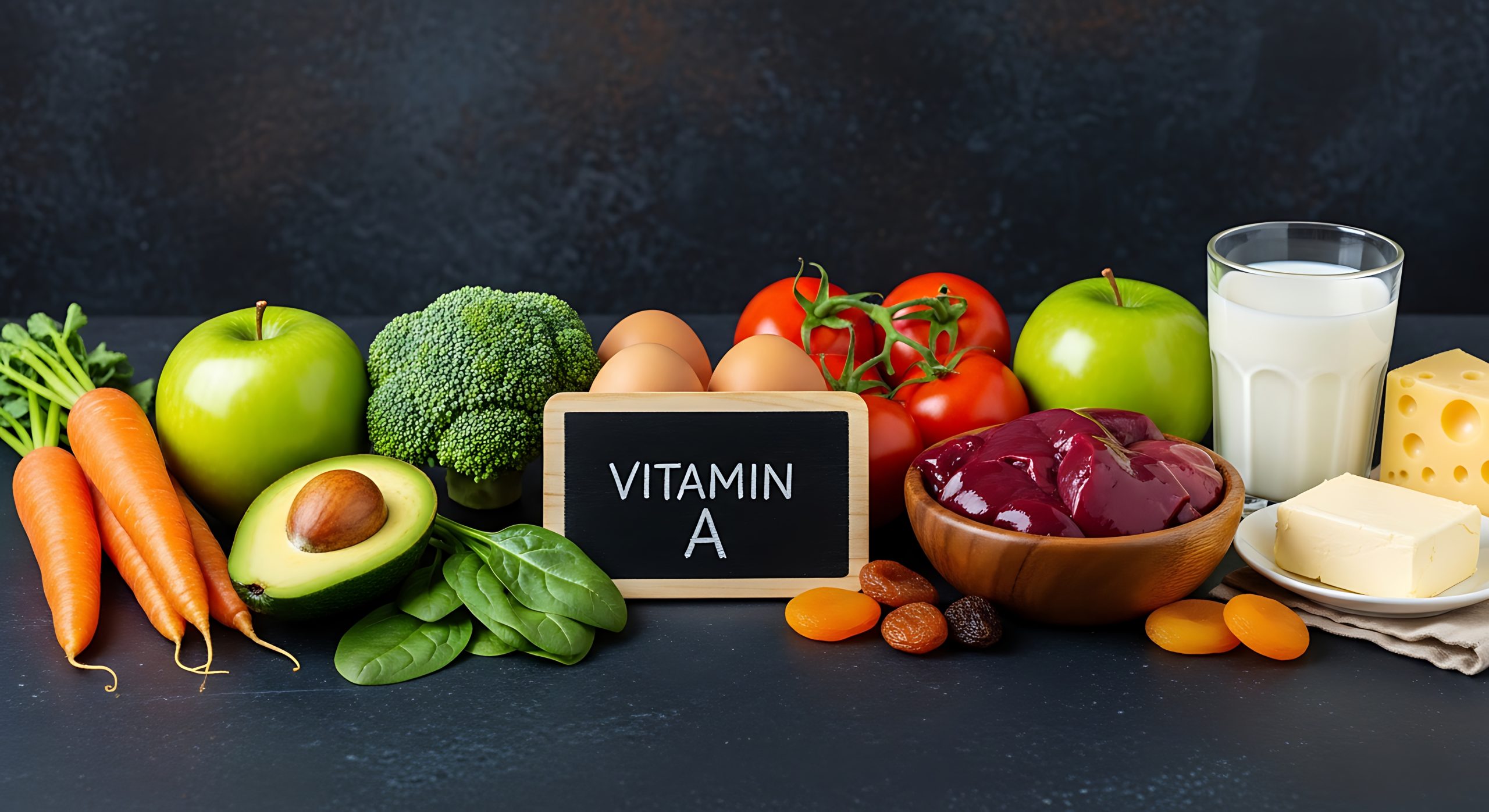
- 4. Micronutrients especially iron, calcium, vitamin D, zinc, iodine
- 5. Hydration with water as the primary beverage
